


You Build It, You Run It (YBIYRI): The model that hurts – and that’s why it works
03.06.2026
Imagine your developer gets a phone call in the middle of the night. Production is down, customers can’t log in, and he, as part of the team that designed and deployed the system, now has to face the consequences of his own architectural decisions. Sounds like punishment? That’s exactly the essence of the YBIYRI model – You Build It, You Run It – and one of the most effective mechanisms for building accountability in modern technology organizations.
From silos to long-lived product teams
For years, the dominant model was one where developers wrote the code, operations deployed it, and security only got involved at the very end. Each stage had its own department, its own responsibilities, and its own priorities. The result was mostly long ticket queues and blurred accountability for systems that worked “on my machine” but not in production.
DevOps started to change that, but YBIYRI goes a step further. Product teams take full ownership of the system lifecycle: from design, through cloud deployment, all the way to maintenance and monitoring. In cloud-native environments where GCP infrastructure can generate costs in real time, and scalability depends on hundreds of micro-decisions, that shift has a very real impact.
Why now?
Growing complexity of distributed systems, pressure to shorten time-to-market, and rising customer expectations around quality – these are the key forces driving the change. When an SRE team is responsible not just for availability but also understands the business logic of the system, it responds faster and more accurately.
When a developer knows they’ll be on-call, they write code differently – more defensively, with an eye on what they’ll see in the dashboard when they must react in the middle of the night.
Does that mean every organization is ready for this model? Not necessarily. YBIYRI demands maturity both in terms of processes and organizational culture.
The practical side: Autonomy, costs, knowledge
Teams operating within the YBIYRI model gain real autonomy in choosing their technology stack, and real accountability for cloud infrastructure costs. It’s a shift that can hurt financially before it starts to pay off. Knowledge of synchronization across teams, the role of SRE engineers as partners rather than gatekeepers, managing on-call load. These are all topics that go well beyond an architecture diagram.
Hear how it works in practice
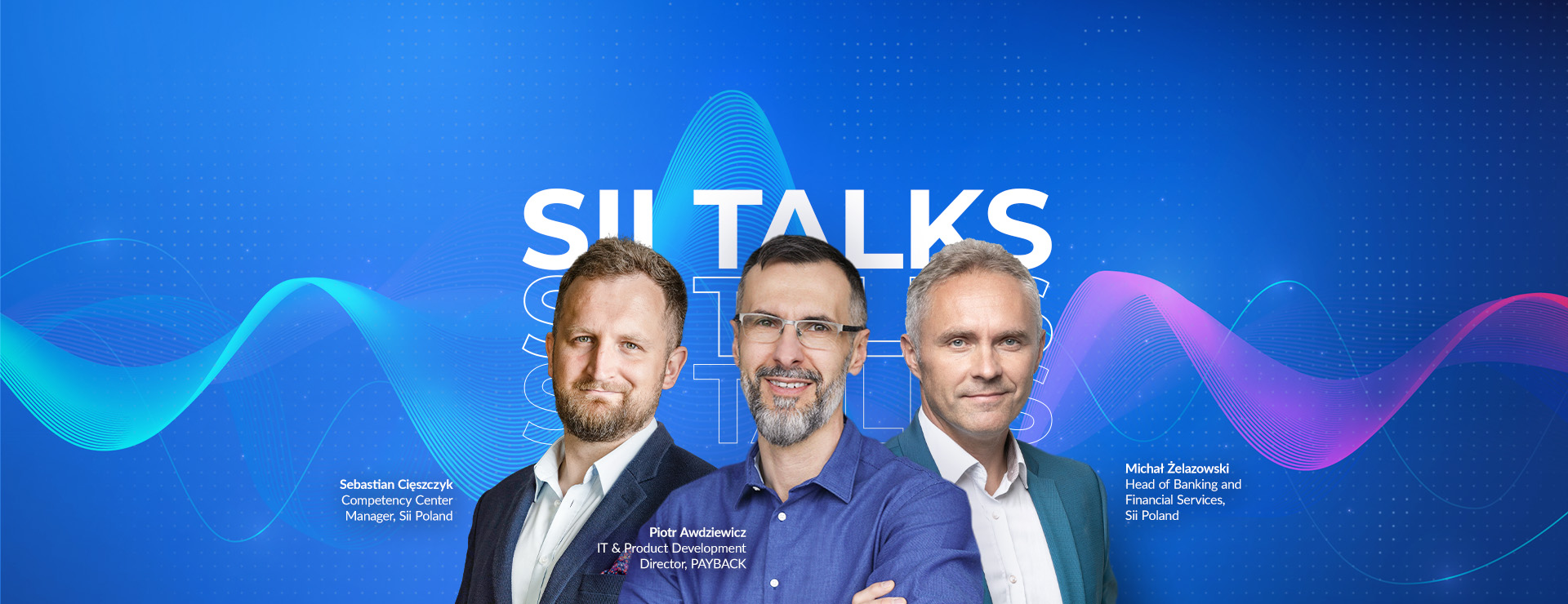
Piotr Awdziewicz, IT & Product Development Director at PAYBACK, and Sebastian Cięszczyk, Competency Center Manager at Sii Poland, talk through what YBIYRI looks like in a real production environment. No theory for theory’s sake but just straight talk about what works, what hurts, and what they’ve learned from their own implementations and projects.
If you manage an engineering team, are designing a cloud transformation, or are looking for ways to build stronger accountability and quality in your organization, this conversation is for you.
Watch the video and see whether YBIYRI is a model that could make a difference for you and your team.


