

















Effective automation in the Utilities Sector. Discover how Sii enhances operations with Low-Code solutions
06.06.2025
The gas fuel market, like other industries, is undergoing rapid transformation driven by new regulations, decarbonization efforts, and evolving customer expectations. Companies must continually adapt their strategies not only to address emerging challenges but also to seize new opportunities. Business process automation has become a critical enabler of competitiveness. In this context, Low-Code solutions offer a flexible approach to optimizing operational activities.
Key challenges in process automation for the Energy Sector
Automating processes such as fuel sales and procurement comes with industry-specific challenges. One of the primary issues companies face is system integration, which often requires custom adaptations to meet sector-specific needs. Inefficiencies in data flow between departments can result in costly errors in ordering or invoicing. Compliance with regulatory requirements adds further complexity, as automation systems must be capable of quickly responding to market and legislative changes.
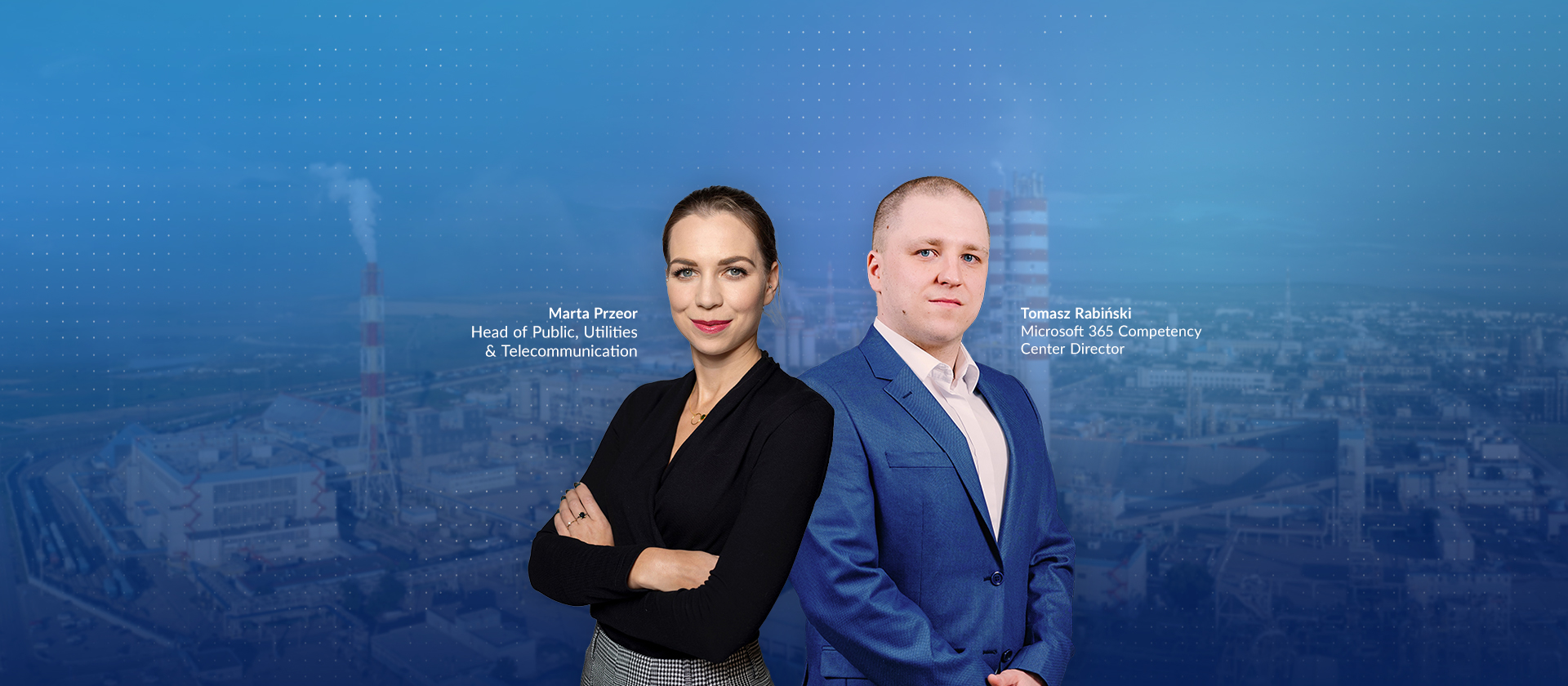
Automation in the fuel sector offers significant benefits but requires addressing a wide range of technical, operational, and regulatory aspects. To succeed, companies must adopt a strategic approach to automation that aligns with both short- and long-term business goals — says Marta Przeor, Head of Public, Utilities & Telecommunication at Sii Poland.
Cybersecurity and data protection
Digital transformation in the fuel industry generates increasing volumes of data, creating new challenges in cybersecurity. Data protection and safeguarding against cyber threats are essential—especially as automation scales. Companies need advanced tools to securely store, process, and analyze data while ensuring privacy and compliance with regulations.
Technologies such as artificial intelligence can significantly improve supply chain optimization and decision-making, but successful implementation requires investments not only in tools, but also in upskilling personnel.
Low-Code solutions: scalability, cost efficiency, and security
Low-Code platforms offer a range of benefits that empower organizations to automate processes effectively. Key advantages include:
- Rapid application deployment – Minimal coding requirements enable quick responses to changing market demands.
- Flexible process management – Greater control over operations supports agile adaptations to dynamic conditions.
- Reduced costs – Development requires fewer engineering resources, leading to more cost-effective IT deployments.
- Seamless integration – Platforms such as Microsoft Power Platform facilitate smooth integration with existing systems.
- Scalability – Applications can grow with the organization, making it easy to manage access, permissions, and data security.
- Enhanced security – Advanced protection mechanisms on platforms like Power Platform effectively defend against cyber threats, which is crucial in today’s digital landscape.
With these benefits, companies can quickly implement innovations, reduce operational costs, and respond effectively to shifting market conditions.
Business Process Automation for a leading gas fuel provider
Sii Poland partnered with a leading gas fuel provider to implement solutions based on Microsoft Power Platform, including Power Apps and Power Automate. These new systems significantly improved the management of fuel sales and procurement processes. Real-time data access and integration with various modules have boosted operational efficiency across the board.
Automated reporting and analytics enable the client to react faster to market changes and make better use of available resources. These enhancements reduced the risk of manual data entry errors and allowed teams to focus on more strategic initiatives. This implementation is part of a broader effort to migrate the client’s ERP system to Microsoft cloud, further increasing business process efficiency.
The new tools have enabled our client to manage processes more efficiently. This led to increased operational productivity and better use of available resources — highlights Tomasz Rabiński, Microsoft 365 Competency Center Director at Sii Poland.
As a Microsoft Cloud Solution Partner, Sii Poland delivers solutions built on the latest technologies, such as Power Platform, Copilot, SharePoint, Azure, and Dynamics 365. With an interdisciplinary approach and experienced teams, the company supports clients in fully leveraging the potential of process automation—while ensuring regulatory compliance and data security.
How Sii Poland supports business growth in the Utilities Sector
Sii Poland’s automation solutions are tailored to the unique needs of the Utilities industry, helping organizations optimize operations and improve overall efficiency. Thanks to a holistic approach, Sii delivers not only modern technologies but also industry-specific knowledge and expert guidance.
In the Utilities sector, automation of processes such as infrastructure management, demand forecasting, and supply chain optimization is key to maintaining competitiveness. It enables companies to streamline operations and adapt to rapidly changing market conditions — concludes Marta Przeor, Head of Public, Utilities & Telecommunication at Sii Poland.
Want to know more? Explore the projects we deliver in the energy and gas sectors.


