Sii Poland
SII UKRAINE
SII SWEDEN
Sii Poland


SII UKRAINE

SII SWEDEN


We design, optimize, and deploy AI models on edge devices – from data preparation to embedded system integration, and on-device model inference.
Edge AI runs trained AI models directly on embedded devices instead of performing inference in the cloud. In practice, this means analyzing data locally, directly on the device. Sii experts deploy this approach to reduce latency, lower network bandwidth usage, enhance data privacy, and ensure that systems can operate even without continuous internet access.
Sii offers Edge AI deployment for projects where:
We optimize AI models for edge devices to deliver:
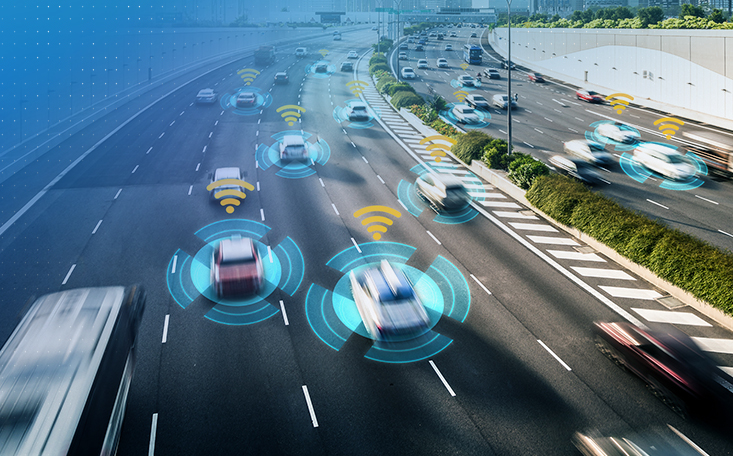
Sii specialists select and deploy Edge AI based on the type of device, data, and operating conditions of the final product. Edge AI solutions are used in:
Sii supports the entire Edge AI solution lifecycle, combining the expertise of embedded engineers and AI specialists. Our scope includes:
As a result, Sii delivers stable, ready-to-use artificial intelligence solutions for edge devices – from hardware and software design, through model creation and optimization, to integration, deployment, and ongoing solution tuning.
Sii develops Edge AI projects with the support of over 550 specialists, including embedded systems experts, data science specialists, and ML engineers. This talent base allows us to build teams capable of delivering production-grade solutions, not just PoCs, or prototypes.
Sii delivers Edge AI projects across a wide range of platforms, from bare-metal systems and low-power microcontrollers to high-performance Linux-based solutions. Our specialists work with technologies such as:
This allows us to select the right tools and architecture for a specific device, hardware constraints, and production requirements.









Read our FAQ
Edge AI is an approach in which artificial intelligence models run directly on edge devices instead of processing data in the cloud. This means that data analysis, inference, and decision-making happen locally, where data is created. Sii designs and deploys these Edge AI systems for embedded devices, IoT devices, cameras, sensors, and industrial platforms.
Edge AI is worth deploying when a system needs to operate in real time, devices work with limited connectivity, and sensitive data should not leave the device. It is also a strong choice when privacy, low power consumption, quality control, or low-latency monitoring are critical. Sii helps assess whether AI at the edge, a cloud-based solution, or a hybrid architecture will be the best fit.
Edge AI can process data from cameras, microphones, sensors, IoT devices, industrial systems, wearable devices, and other edge devices. This may include image, measurement, diagnostic, environmental, or operational data. Sii supports data preparation, normalization, and optimization so that the AI model can run directly on the device and deliver results in real time.
Yes. Edge AI helps reduce data transfer to the cloud because data is processed locally, directly on the device. This allows sensitive information to stay closer to its source, supporting privacy, security, and compliance with data protection requirements. Sii experts design Edge AI architectures that take the client’s technical, operational, and regulatory requirements into account.
AI models can run on many types of edge devices, from low-power microcontrollers, bare-metal systems, and RTOS to high-performance platforms based on Embedded Linux. In Edge AI projects, Sii works with technologies such as TensorFlow, ONNX, STM32Cube.AI, Edge Impulse, TensorFlow Lite, CMSIS-NN, eIQ, e-AI Translator, MATLAB, and Simulink.
Yes. Edge AI works well in industrial environments where fast system response, reliability, and local decision-making are critical. Typical AI use cases include computer vision, smart cameras, quality control, predictive maintenance, machine monitoring, and sensor data analysis. Sii selects AI models, architecture, and hardware platforms based on the device’s operating conditions and production requirements.
Sii supports the entire Edge AI project lifecycle, from data collection and preparation, through system architecture design, AI model creation and training, to compression, optimization, embedded system integration, and deployment of on-device model inference. After the solution is launched, Sii can support monitoring, tuning, and further optimization in the production environment.
No. Edge AI can be deployed both in new products and existing devices, provided their architecture, processor, memory, and power consumption allow the AI model to run locally. Sii analyzes hardware constraints, available data, system requirements, and target use cases to determine whether AI can be built into the current product or whether the platform needs to be modernized.
Edge AI helps reduce system response times, limit cloud dependency, lower network bandwidth usage, and enhance data privacy. For companies developing intelligent devices, this means greater control over product performance, offline operation, and the ability to scale AI across large fleets of Edge AI devices. Sii helps turn Edge AI technology into stable, production-ready solutions tailored to specific devices, data, and operating conditions.
Yes. Sii can support the project beyond AI models on edge devices alone. Our teams also deliver work related to embedded software development, embedded cybersecurity and compliance, testing and requirements traceability, as well as hardware design and prototyping. This allows the client to develop Edge AI as part of a complete embedded ecosystem – from hardware to software, security, testing, and production deployment.
Wir aktualisieren unsere deutsche Website. Wenn Sie die Sprache wechseln, wird Ihnen die vorherige Version angezeigt.
Czy chcesz opuścić tę stronę?